Home › Insights
Insights
Articles and analysis on e-discovery practice: preservation, collection, processing, AI-assisted review, and defensible production.
E discovery 17Ediscovery 17Insights 2Legal ai 1
 Ediscovery
Why Searching Outlook Isn't a Defensible Document Review
No. Searching Outlook or Gmail directly is not a defensible review : it skips deleted items, other custodians, de-duplication, threading and an audit log, and an export can alter metadata.October 11, 202621 min read E discovery
Can You Move EU Employee Data to a U.S. Review Platform?
Usually not as a first move. Some foreign laws prohibit sending discovery documents to the United States, so review EU employee data in-region and send only a reduced, documented set.October 11, 202622 min read Ediscovery
What AI Coding 100,000 Documents Costs in Your Own AWS Account
AI coding 100,000 documents in your own AWS account has no single price. It splits into a metered cloud bill, a vendor license and human validation hours.October 9, 202626 min read Ediscovery
4 Records That Make an Agentic AI Review Reproducible
An AI document review is reproducible for court when four records survive each run: the instructions with every revision, the model version, the exact retrieval set and a fixed random seed.October 9, 202628 min read Ediscovery
Your AI Review Vendor Can Swap Models Mid-Matter. Check Your Contract
Unless your AI review contract pins a model version per matter and requires advance notice of updates, the vendor may swap models mid-matter, and March's coding may not reproduce in June.October 7, 202629 min read Ediscovery
The Request-to-Bates Map: Drafting RFP Responses With AI
Yes, AI can draft responses to requests for production more cheaply, but each objection must say whether responsive materials are withheld, and only a request-level record makes that true.October 5, 202623 min read Ediscovery
Protective Orders Will Need a Vector-Index Destruction Clause by 2027
Treat AI embeddings, chunk text and retrieval logs as copies: delete them when a protective order ends, and keep an itemized deletion log, because a certificate alone cannot prove vectors are gone.October 4, 202632 min read Ediscovery
Reviewers Who See the AI's Tag First Rarely Overrule It
Yes. A reviewer who sees the AI's code first can anchor on it, so tag-first QC mostly measures agreement. Only a random sample coded blind measures the AI's real error rate.October 2, 202625 min read Ediscovery
Can a Planted Document Fool Your AI Review Tool?
Yes. A planted document refers to a produced file carrying hidden text, white on white or tiny type, that the attorney never sees but the AI reviewer reads and may obey.September 30, 202630 min read Ediscovery
What Share of a Chat Collection Is Actually Relevant?
Nobody has published a measured figure. A chat collection's responsive share refers to the fraction of gathered messages that a request for production actually calls for, and the only defensible number is one measured on your own matter.September 28, 202627 min read Ediscovery
Building Your Own AI Review Agent: Where It Breaks
Yes, you can build one in an afternoon. A do-it-yourself AI review agent refers to a trigger, a container job and a model call, and it skips what makes review defensible.September 27, 202632 min read Ediscovery
Does Privileged ESI Get Embedded Before the Screen?
Yes. In most RAG e-discovery platforms, privileged ESI refers to attorney-client communications and work product that gets embedded into the vector index automatically at collection, before any privilege review queue runs.September 25, 202625 min read E discovery
Why AI Semantic Search Still Misses the Documents That Matter
Yes. AI semantic search misses documents whose relevance depends on exact identifiers, account numbers, internal code names, and proprietary abbreviations. These are terms the model cannot semantically anchor because no training context established their meaning.September 23, 202619 min read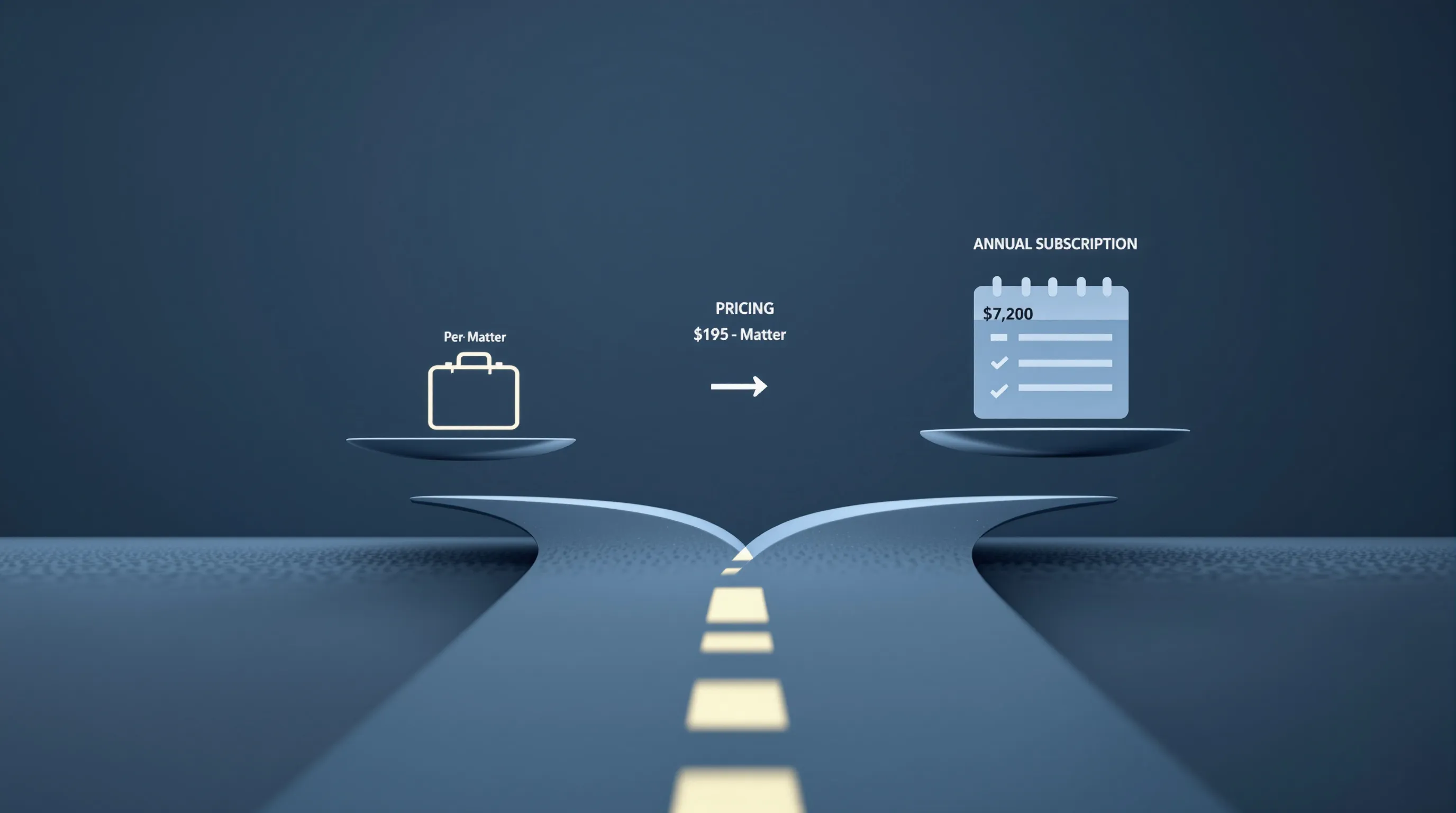 E discovery
Per-Matter vs Annual Platform: What a Small Firm Should Pay
If you typically have fewer than three matters actively running in your e-discovery platform at the same time, per-matter pricing will almost always cost you less than an annual subscription.September 21, 202628 min read E discovery
What Judges Expect From AI Document Review in 2026
In 2026, judges expect a documented, reproducible AI review workflow supervised by counsel. As practitioners noted following the Schulte v. LinkedIn ruling (N.D. Cal. 2026), AI-assisted review is already settled law. Courts are no longer asking whether you used AI.September 20, 202627 min read E discovery
Why 91% of E-Discovery Buyers Now Want Private AI
Private AI deployment keeps your client's privileged documents inside a dedicated single-tenant environment where no shared inference infrastructure can touch them.September 18, 202625 min read E discovery
Does Your E-Discovery AI Train on Your Case Data?
Probably not, in the strict technical sense: your documents were almost certainly not used in the initial pre-training of the foundation model your vendor uses.September 16, 202635 min read Ediscovery
How to Produce Slack Messages Without Breaking Threads
To produce Slack messages defensibly in discovery: (1) Export the full workspace using the standard tool for public channels, or Slack's Discovery API (Enterprise Grid only) for private channels and DMs.September 14, 202630 min read Ediscovery
A 'Small' Case With Chat Data Isn't a Small Review Job
A chat-data eDiscovery review refers to any review where the primary evidence lives in Slack, Microsoft Teams, or iMessage rather than in email. Case size does not predict difficulty. Data type does. Thread reconstruction and privilege gates are required at any scale.September 13, 202629 min read Legal ai
AI Use Alone Won't Waive Work Product, but One Setting Can
No. A Texas Business Court judge held in June 2026 that using ChatGPT did not itself waive work product protection over the resulting conversations. That framing is correct. But it omits two failure modes a federal court addressed four months earlier. In United States v.September 11, 202631 min read E discovery
Where AI Relevance Scores Come From, and What They Hide
AI relevance scores aren't accuracy ratings—they're similarity rankings. Learn what your scores hide before you defend your review.September 9, 202631 min read E discovery
Predictive Coding Isn't the Only Defensible AI Review
Predictive coding is one defensible path, not the only one. Learn how documented hybrid AI review meets court recall standards at solo and small firm scale.September 7, 202626 min read E discovery
AI Assistant Logs Will Trigger Rule 37(e) Motions by 2027
AI chat logs qualify as ESI under Rule 37(e). Courts are ordering preservation. Learn what litigation teams must do before the first sanctions motion lands.September 6, 202630 min read E discovery
Source-Linked Review Is the New Defensibility Bar
Why source-linked AI document review is becoming the 2027 defensibility standard courts demand. Learn what to require from your review platform now.September 4, 202630 min read E discovery
Turn E-Discovery From a Cost Center Into Case Leverage
E-discovery becomes case leverage when AI-assisted review (running through platforms like Relevant Discovery on single-tenant AWS infrastructure) produces cited answers linked to specific exhibits rather than an undifferentiated production set.August 14, 202631 min read E discovery
Florida's 2026 E-Discovery Rules: What Changes for You
Florida's 2026 amendments require attorneys to present a defensible ESI scope at the first case-management conference.August 12, 202616 min read Ediscovery
Find the Case-Deciding Email in a 100,000-Doc Set
In a 100,000-document ESI collection, hybrid semantic-plus-keyword retrieval surfaces the decisive email in under two minutes , compared to the four to six hours a linear keyword sweep demands from an experienced reviewer.August 10, 202629 min read Ediscovery
A Quick SaaS Exit Test for Your Client's Data
The SaaS Exit Test is a three-axis architecture audit (admin export, API completeness, and metadata fidelity) scored before committing any matter's ESI to a review platform. A platform scoring zero on two axes requires a preservation plan before the matter is live.August 7, 202630 min read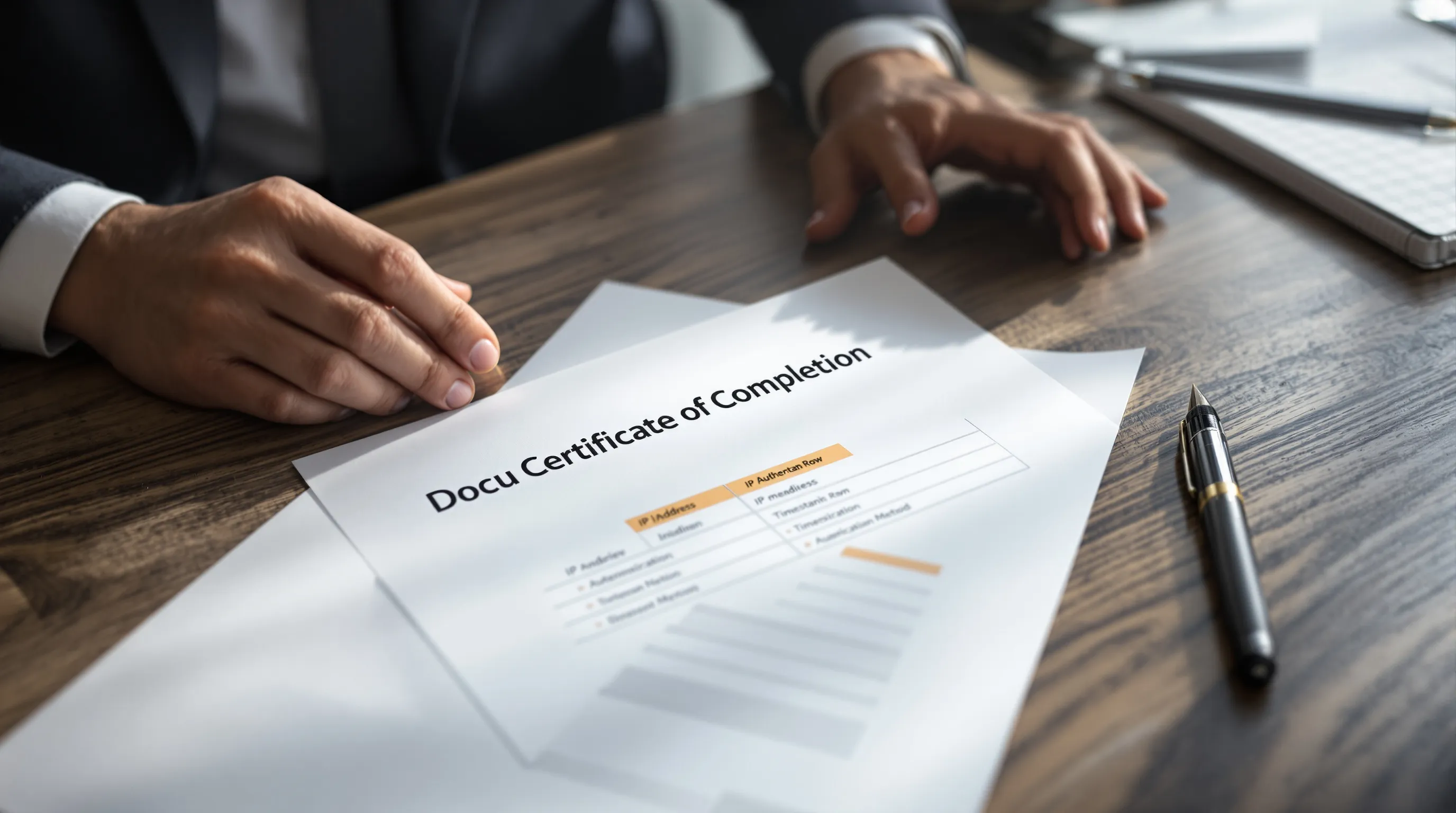 E discovery
A DocuSign Audit Trail in a Contract Fight, Decoded
A DocuSign Certificate of Completion records the signer's IP address, the exact UTC timestamp of each signing event, the authentication method used to verify identity, and a cryptographic hash of the signed document.August 5, 202628 min read Ediscovery
When a Custodian Upgrades Their Phone Mid-Case
When a custodian upgrades their phone during active litigation, iMessage attachments and third-party app containers, including Signal and WhatsApp data, disappear permanently from device-to-device transfers.August 3, 202629 min read E discovery
Concept Search vs 'Ask the Record': Which Finds the Fact?
Concept search takes 4.2 hours per fact; 'ask the record' Q&A takes 28 seconds. See the benchmark and learn which tool fits your litigation task.July 29, 202630 min read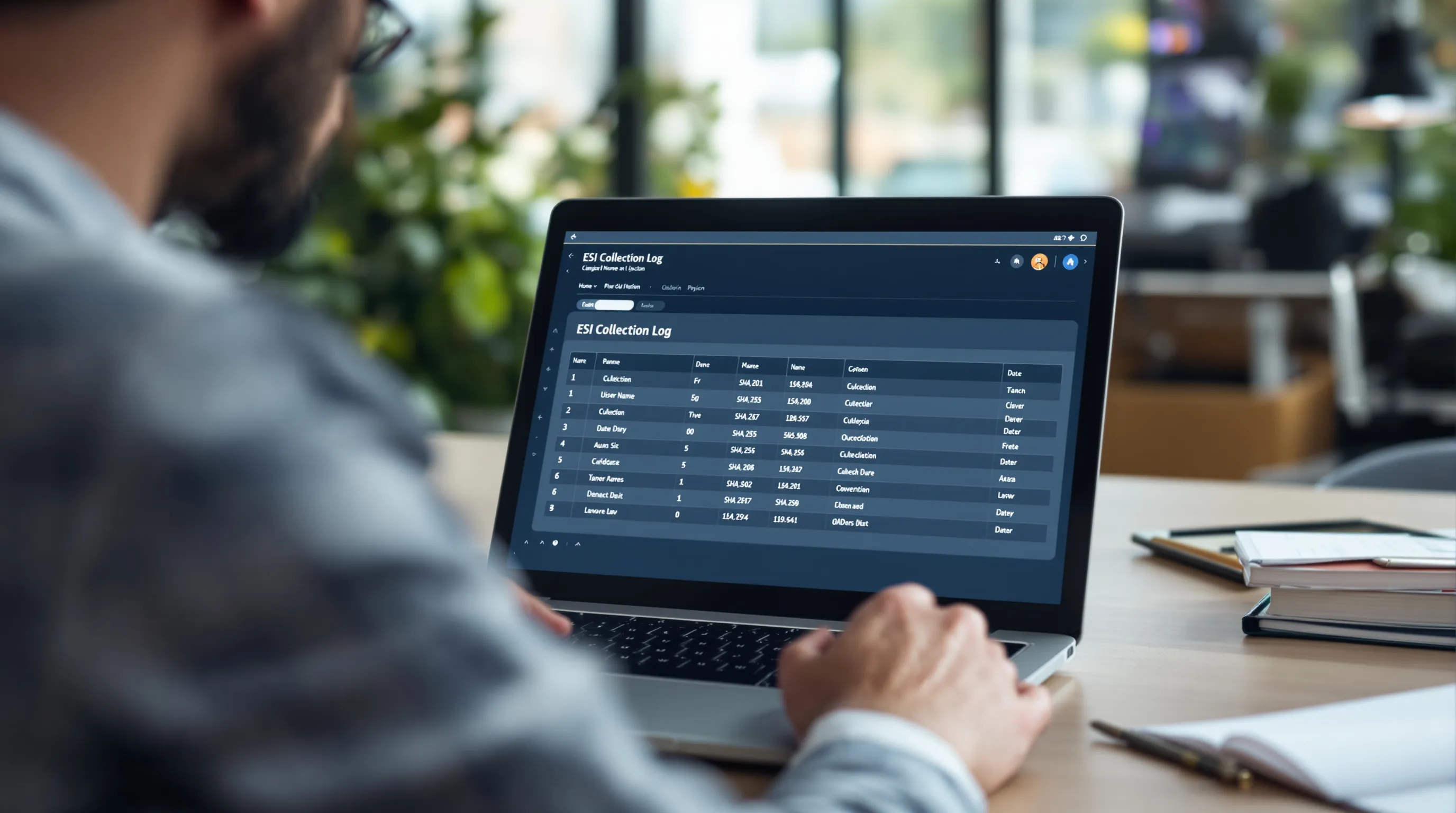 Ediscovery
7 Ways Opposing Counsel Attacks an ESI Collection
Opposing counsel challenges ESI collections at seven recurring seams: scope, custodian completeness, search term design, metadata integrity, data gaps, chain of custody, and cost-driven shortcuts.July 27, 202630 min read E discovery
Managed Service vs Your Own AWS Account: Who Controls What
If your case data sits in a vendor's AWS account, the vendor holds the encryption keys, controls where the data lives geographically, and can be served a subpoena you may never see coming.July 24, 202639 min read E discovery
The Processing Exceptions Your Vendor Isn't Showing You
Vendors often hide processing exceptions that leave responsive files unreviewed. Learn how to request exception reports and remediate before production.July 22, 202626 min read E discovery
Issue-Code Versioning: Re-Coding When the Case Shifts
When the case theory shifts, do not overwrite existing issue codes. Freeze the current schema as a named version, issue a new version that layers on top of the prior one, and document every reclassification with a reason code.July 20, 202640 min read Insights
From an 'Ask the Record' Question to a Cited Fact
When AI answers a question about case documents with citations, the system runs three steps: it retrieves the most relevant passages using hybrid search (keyword plus semantic), anchors each passage to its source exhibit and Bates range, then surfaces both the synthesized answer...July 17, 202632 min read Insights
How to Reduce Attorney Review Hours With Hybrid Search in E-Discovery
Hybrid search in e-discovery is the combination of sparse keyword (BM25) retrieval with dense semantic vector ranking, producing a result set where the most legally significant documents surface first.July 15, 202625 min readSee it on your matter
Bring us a messy collection - mailboxes, scans, phones, recordings - and watch it become one searchable, defensible record.